
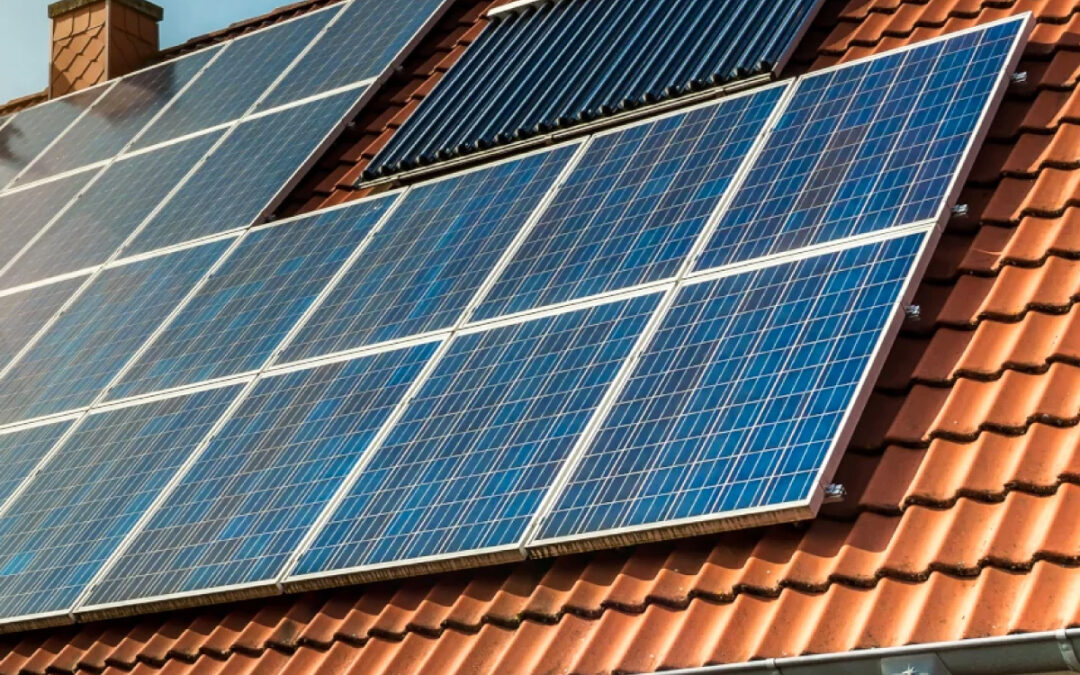
Smart Export Guarantee (SEG): earn money for exporting the renewable electricity you have generated
The landscape of energy production and consumption is undergoing a transformative shift, and the United Kingdom is at the forefront of this revolution. As the nation strives to meet its renewable energy targets, the introduction of the Smart Export Guarantee (SEG) has emerged as a key player in encouraging widespread adoption of clean energy sources. In this blog post, we'll explore the essence of SEG tariffs and how they empower homeowners to contribute to a more sustainable future while reaping financial benefits.
Understanding the Smart Export Guarantee (SEG)
Introduced in January 2020, the Smart Export Guarantee (SEG) is a successor to the Feed-in Tariff scheme, aiming to incentivise small-scale energy producers to invest in renewable technologies. Under the SEG, households and businesses with solar PV systems, wind turbines, and other eligible renewable installations can earn money by selling excess electricity they generate back to the grid.
The Essence of SEG Tariffs
At the heart of the SEG lies its tariff structure, which determines the rate at which energy suppliers pay for the surplus electricity exported by consumers. While the SEG framework doesn't stipulate a fixed tariff rate, it mandates that energy suppliers with over 150,000 customers offer at least one tariff to their customers.
The specifics of these SEG tariffs can vary widely among suppliers. The tariffs may include fixed rates, variable rates, or a combination of both. Typically, these rates are provided in pence per kilowatt-hour (p/kWh) and may vary based on factors such as the time of day, the season, and the prevailing market conditions. Some suppliers may offer tiered rates that reward higher volumes of exported electricity.
Maximising Benefits Through SEG Tariffs
Homeowners and businesses seeking to harness the potential of SEG tariffs must take a proactive approach to find the most advantageous rates. Here are a few tips to consider:
- Research and Compare: Energy suppliers offer different SEG tariff options. Research and compare the rates and terms provided by various suppliers to find the one that aligns with your energy production and consumption patterns.
- Understand Rate Structures: Some tariffs offer higher rates during peak demand hours, while others provide a consistent rate throughout the day. Choose a rate structure that best complements your energy generation and usage.
- Plan for Exports: To maximise your earnings, try to anticipate periods when your renewable energy installations will generate surplus electricity. This could be during sunny days for solar PV systems or windy periods for wind turbines.
- Monitor and Optimise: Keep a close eye on your energy production and consumption patterns. By optimising your energy usage to align with periods of higher generation, you can increase your exports and subsequent earnings.
In Conclusion
The Smart Export Guarantee (SEG) tariffs represent a significant step towards fostering a more decentralised and sustainable energy landscape in the UK. By incentivising individuals and businesses to generate clean energy and contribute surplus power to the grid, the SEG empowers us all to play a role in mitigating climate change and reducing reliance on traditional energy sources. As SEG tariffs continue to evolve and adapt to changing market dynamics, consumers have the opportunity to not only reduce their carbon footprint but also generate income while doing so.
