
Comparing Energy-Efficient Gas Combi Boilers and Air Source Heat Pumps: Which is Best for You?
As the push for energy-efficient home heating grows, homeowners are increasingly faced with the decision of whether to invest in a high-efficiency gas combi boiler or make the switch to an air source heat pump (ASHP). Both options have their advantages and drawbacks, making the choice dependent on factors such as cost, efficiency, environmental impact, and practicality. In this blog, we’ll compare the two to help you make an informed decision.
Gas Combi Boilers
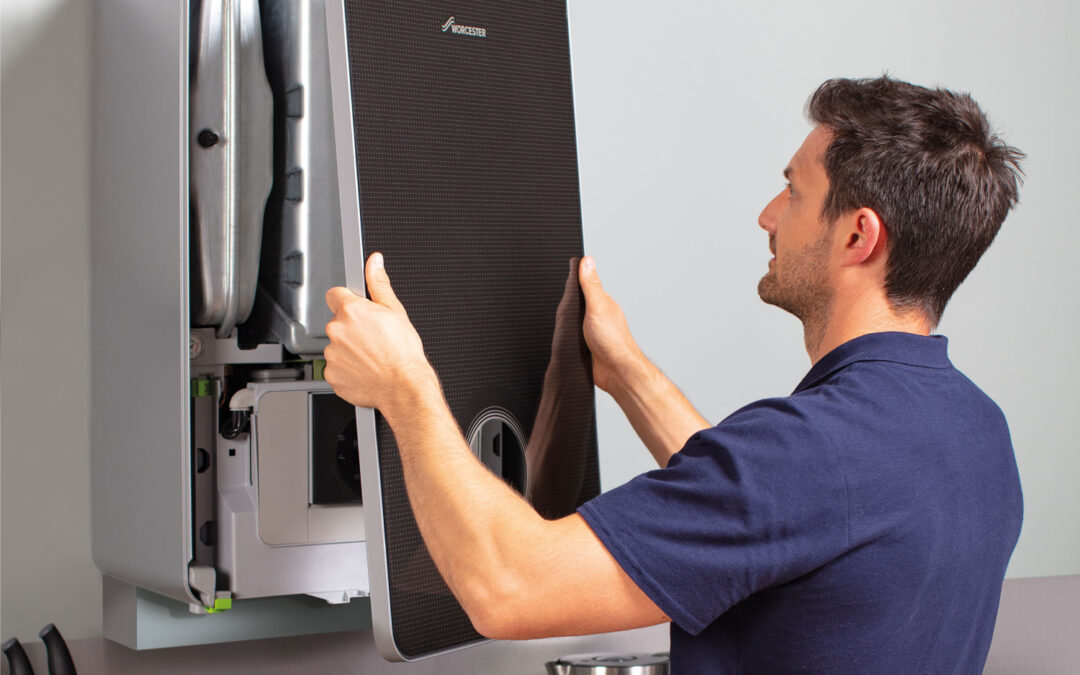
Gas combi (combination) boilers are a popular choice for many households due to their ability to provide both heating and hot water without the need for a separate water tank. They run on natural gas and are known for their reliability and efficiency.
Pros:
- High Efficiency – Modern condensing combi boilers can achieve efficiencies of over 90%, meaning less waste and lower energy bills.
- Lower Upfront Cost – Gas combi boilers are generally cheaper to purchase and install compared to heat pumps.
- Compact and Space-Saving – With no need for a separate hot water cylinder, they are ideal for smaller homes.
- Quick Heating – They provide instant hot water and rapid central heating.
- Established Technology – Gas combi boilers have been around for decades and are widely understood by heating engineers.
Cons:
- Reliance on Fossil Fuels – Despite their efficiency, they still burn natural gas, contributing to carbon emissions.
- Rising Gas Prices – The cost of gas fluctuates and is expected to rise as governments push toward greener alternatives.
- Limited Renewable Integration – While some models work with solar thermal panels, gas boilers are not fully renewable.
- Shorter Lifespan – On average, gas boilers last 10-15 years, which is shorter than ASHPs.
Air Source Heat Pumps (ASHPs)
Air source heat pumps work by extracting heat from the outside air and using it to heat your home and water. They run on electricity and are considered a greener alternative to gas heating systems.
Pros:
- Energy Efficiency – ASHPs can achieve efficiencies of 300-400% (COP of 3-4), meaning they produce more energy than they consume.
- Lower Carbon Footprint – Since they don’t burn fossil fuels, ASHPs significantly reduce household emissions.
- Renewable Energy Incentives – Governments often offer grants and incentives to encourage heat pump adoption.
- Longer Lifespan – With proper maintenance, ASHPs can last 20-25 years, outlasting gas boilers.
- Potential for Lower Running Costs – When paired with solar panels or low-carbon electricity, ASHPs can lead to significant energy savings.
Cons:
- Higher Upfront Cost – ASHPs are expensive to purchase and install, often costing £8,000-£15,000.
- Performance Dependent on Climate – Efficiency drops in colder temperatures, meaning supplementary heating may be needed in extreme winters.
- Requires Space – External units need to be placed outside, and internal components may require additional space.
- Slow Heating Response – ASHPs work at lower temperatures and heat a home more gradually than a gas boiler.
- Installation Complexity – Retrofitting an ASHP into an older property may require upgrades to insulation and radiators.
Which is Right for You?
The choice between a gas combi boiler and an air source heat pump depends on your priorities:
- If upfront cost and immediate convenience are key concerns, a gas combi boiler may be the best choice.
- If long-term savings and environmental impact are more important, an air source heat pump is worth considering.
- For homes with poor insulation, a gas boiler may be more efficient unless insulation upgrades are made.
- If you’re planning to stay in your home long-term, the higher initial investment in an ASHP could pay off over time.
Both systems have their place in modern heating solutions, and as the energy landscape shifts toward sustainability, heat pumps are becoming more attractive. However, gas boilers remain a reliable option, especially for homes where a heat pump isn’t practical.
Ultimately, the best system for you will depend on your home, budget, and long-term energy goals. If you’re unsure, consulting a heating professional can help guide you toward the most efficient and cost-effective choice.