
In recent years, the renewable energy revolution has not only changed the way we think about powering our homes but has also provided homeowners with a unique opportunity to become energy producers. With the rise of home solar photovoltaic (PV) systems and battery storage solutions, individuals across the UK are not only reducing their carbon footprint but also generating a new source of income by selling surplus electricity back to the national grid. In this blog, we'll delve into this exciting trend, explore some key statistics, and provide examples of the potential profits that can be made.
The Green Power Shift: Home Solar PV and Battery Storage
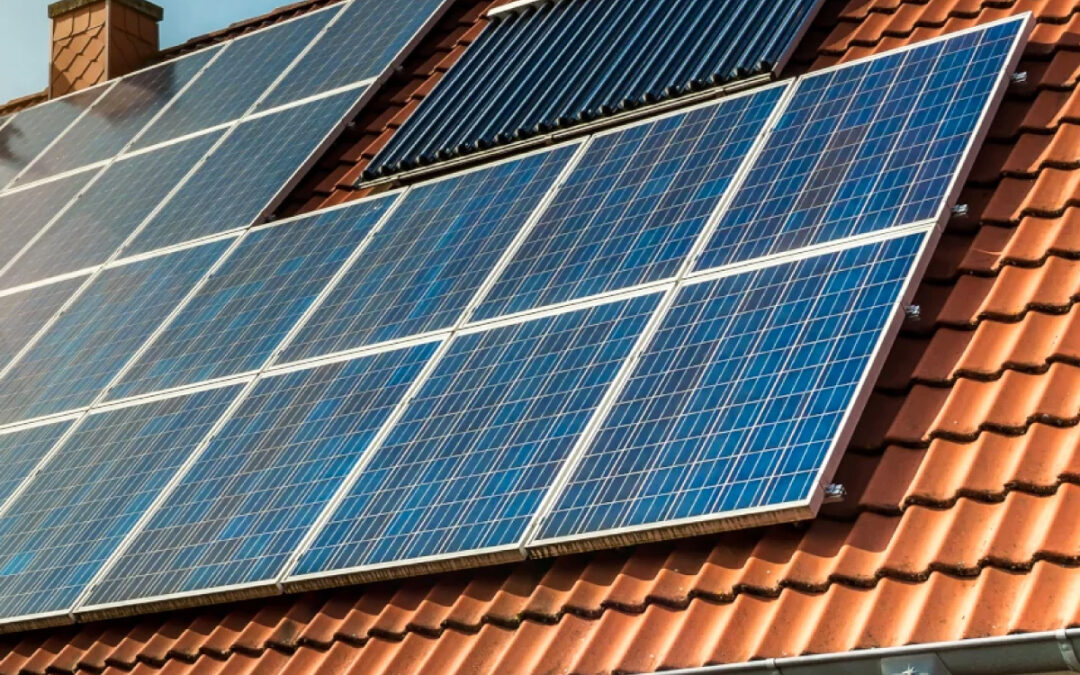
Home solar PV systems have gained tremendous popularity due to their ability to convert sunlight into clean, renewable electricity. These systems consist of solar panels installed on rooftops or other suitable areas around the property. As sunlight strikes the solar panels, they generate direct current (DC) electricity, which is then converted into alternating current (AC) electricity through inverters, making it usable for household appliances.
But what happens when your solar panels generate more electricity than you consume? This is where battery storage comes into play. Battery storage solutions allow homeowners to store excess energy generated during sunny periods and use it during cloudy days or at night when the solar panels aren't producing electricity.
Selling Electricity Back to the Grid: The Feed-in Tariff and Smart Export Guarantee
One of the most exciting aspects of home solar PV and battery storage is the ability to sell surplus electricity back to the UK grid. The Feed-in Tariff (FiT) scheme, which was introduced in 2010, provided homeowners with payments for the electricity they generated through renewable sources. Although this scheme has closed to new applicants, the Smart Export Guarantee (SEG) introduced in 2019 offers a similar opportunity.
Under the SEG, energy suppliers with over 150,000 customers are required to offer payments to small-scale low-carbon generators for the electricity they export to the grid. This means that homeowners can earn money not only by using their generated energy but also by selling it back to the grid.
Statistics Show the Potential
According to data from the UK government's Department for Business, Energy & Industrial Strategy (BEIS), by the end of June 2021, over one million homes in the UK had installed solar PV systems. These systems collectively generated over 13.1 GW of electricity capacity. This substantial capacity not only contributes to the country's renewable energy goals but also empowers homeowners to take control of their energy production and consumption.
Example Profits: Turning Sunlight into Savings
Let's consider a hypothetical scenario to better understand the potential profits. Imagine you have a 4 kW solar PV system installed on your roof, along with a battery storage system. On a sunny day, your solar panels generate 20 kWh of electricity, and you consume 10 kWh of it. The remaining 10 kWh is stored in your battery for later use.
If we assume an average electricity export tariff of around 5-6 pence per kWh under the SEG, you could potentially earn 50-60 pence for the surplus 10 kWh of electricity you export to the grid. Over the course of a year, this could translate to around £180-£220 in earnings from electricity exports alone. Additionally, the savings from using your own generated electricity instead of purchasing it from the grid could further enhance your financial benefits.
Conclusion
The ability to sell electricity back to the UK grid through home solar PV and battery storage systems marks a significant milestone in the transition to renewable energy. Not only does it enable homeowners to reduce their carbon footprint and lower their energy bills, but it also offers a promising source of additional income. As technology continues to advance and energy storage solutions become more affordable, the potential for households to become active participants in the clean energy revolution grows even brighter. So, whether you're motivated by environmental concerns or financial gains, home solar PV and battery storage present a compelling opportunity to harness the power of the sun and make a positive impact.
